


Friedrich Merz gehört seit Jahrzehnten zu den prägenden Figuren der deutschen Politik. Nach Jahren außerhalb des Parlaments kehrte er überraschend kraftvoll auf die politische Bühne zurück und führte schließlich die
Friedrich Merz gehört seit Jahrzehnten zu den prägenden Figuren der deutschen Politik. Nach Jahren außerhalb des Parlaments kehrte er überraschend kraftvoll auf die politische Bühne zurück und führte schließlich die
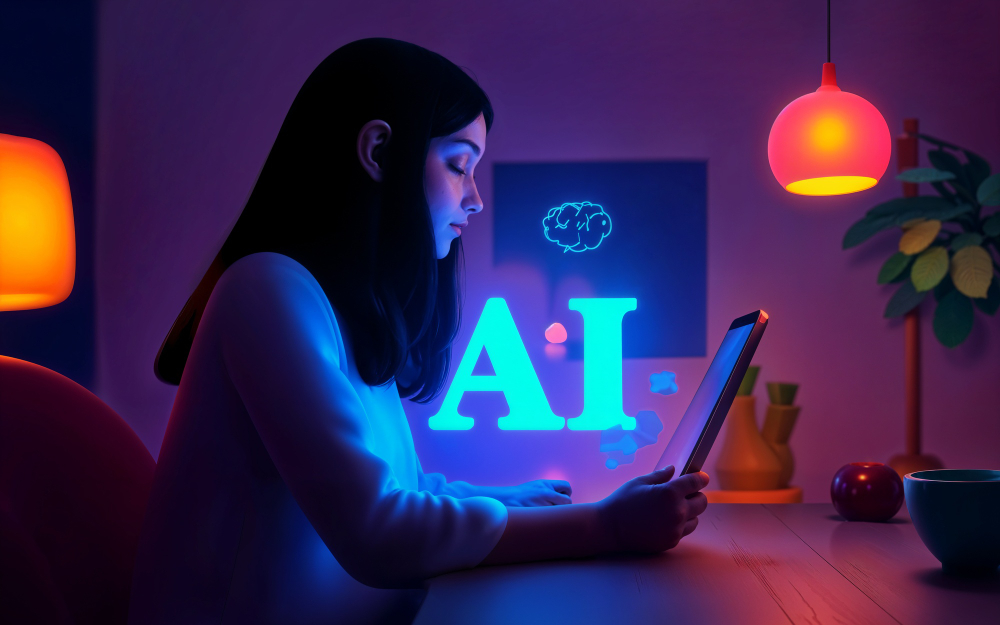
Learning a new language has always been a rewarding yet time-consuming challenge. Memorizing vocabulary, mastering pronunciation, and understanding cultural nuances can often take years of practice. Today, however, artificial intelligence is transforming that process, making it faster, more efficient, and far more personalized than ever before. Modern AI-driven platforms assess an individual’s strengths and weaknesses in real time, adjusting lessons to focus on areas that need the most improvement. This means learners no longer follow one-size-fits-all courses—instead, they experience dynamically tailored lessons that match their pace and preferences. AI is also helping to overcome one of the biggest hurdles in language acquisition: speaking with confidence. Through natural language processing, speech recognition, and conversational chatbots, learners can practice realistic dialogues anytime, without fear of making mistakes in front of others. The instant feedback provided by these tools refines pronunciation, grammar, and fluency in ways that mimic interaction with a patient native speaker. Additionally, AI can integrate cultural and contextual elements into lessons, helping users understand idioms and expressions that traditional instruction often overlooks. As these intelligent systems continue to evolve, they are bridging gaps between people, cultures, and opportunities. In a world where communication across languages is increasingly essential, AI isn’t just teaching us new words—it’s accelerating how we connect, learn, and engage globally.

Artificial Intelligence has quietly woven itself into the fabric of everyday life, transforming the way we manage our time, communicate, and even relax. What once seemed like futuristic technology reserved for research labs and sci-fi films now resides in our pockets, homes, and workplaces. Whether it’s a digital assistant helping to organize a busy schedule or a smart thermostat learning our habits to optimize comfort, AI has become a silent partner in countless daily tasks. The growing sophistication of these tools is redefining convenience, efficiency, and personalization in ways we are only beginning to appreciate. Time management has been one of the most noticeable areas where AI makes an impact. Calendar apps powered by intelligent algorithms can anticipate meeting conflicts, suggest optimal scheduling, and even adjust plans automatically based on changing priorities. Beyond work, AI is also helping people track exercise, monitor sleep, and maintain healthier lifestyles. It’s not just about automation—it’s about enabling smarter decision-making and giving users back their most valuable resource: time. At home, AI manifests in devices that seem to understand us better than we understand ourselves. Voice-controlled assistants, robotic vacuums, and adaptive lighting systems demonstrate how technology can learn from our routines to make life smoother and more enjoyable. As these innovations continue to evolve, the line between human intention and machine assistance grows increasingly seamless. Yet amid this excitement, questions about privacy, dependency, and ethical use remain. The challenge ahead lies in balancing the benefits of AI-driven ease with the responsibility of using such power wisely.

Embracing artificial intelligence in your projects can open doors to greater efficiency, creativity, and better decision-making—but diving in without preparation can lead to confusion, wasted resources, or even ethical missteps. For beginners, integrating AI safely means striking a balance between experimentation and responsibility. The first step is understanding what AI can realistically do for your project. Start small: explore open-source tools, pre-trained models, or cloud-based AI services before attempting complex custom systems. This gradual approach helps you learn how the technology behaves while minimizing risks. It’s equally important to consider data—both its quality and its privacy implications. Poorly curated or biased data can lead to unreliable outcomes, while mishandling sensitive information could damage trust or violate regulations. Setting clear objectives early on ensures that AI remains a tool that serves your goals rather than steering them. Collaboration is another key factor; involve stakeholders, developers, and domain experts in your process so everyone understands both the power and the limits of AI. Finally, stay informed about trends and ethical standards. Responsible use of AI requires awareness of accountability, transparency, and potential biases. By taking a careful, incremental approach and defining ethical boundaries from the start, beginners can explore AI’s potential with confidence and creativity—transforming their ideas into smarter, safer, and more sustainable projects.

In today’s rapidly evolving digital economy, businesses generate more data than ever before—from customer interactions and market trends to supply chain operations and financial transactions. For many organizations, the sheer volume of information can be overwhelming, making it difficult to extract meaningful insights quickly enough to influence decisions. This is where artificial intelligence steps in as a transformative force. By leveraging advanced algorithms, machine learning, and natural language processing, AI systems can sift through massive datasets with remarkable speed and accuracy, uncovering patterns that human analysts might miss. These technologies not only enhance decision-making but also enable predictive analytics, helping companies anticipate future outcomes and adjust strategies in real time. For instance, AI tools can identify subtle changes in consumer behavior or detect inefficiencies in production processes before they become costly issues. Beyond operational improvements, the integration of AI-driven data analysis fosters a deeper understanding of business dynamics, empowering leaders to innovate with confidence. Yet, as organizations embrace these capabilities, challenges arise around data quality, privacy, and the ethical use of automated insights. Balancing innovation with responsibility becomes crucial. Ultimately, businesses that learn to harness AI effectively will not only streamline their operations but also gain a distinct competitive advantage in an increasingly data-centric world—where information, when properly understood and applied, becomes the most powerful asset of all.

As businesses and individuals adapt to an increasingly digital world, artificial intelligence is quietly reshaping what it means to work efficiently. Across industries, from healthcare to finance to manufacturing, AI-driven automation is taking over repetitive and predictable tasks—allowing employees to focus on creative, strategic, and human-centered responsibilities. Algorithms can now manage data entry, schedule meetings, analyze large datasets, and even screen resumes, completing in seconds what once took hours or days. This transformation is not simply about replacing human labor; rather, it’s about redefining how work is done and what roles humans should play in a machine-assisted economy. The rise of automation has sparked understandable concern about job displacement, but evidence increasingly shows that AI’s greatest value lies in collaboration, not competition. When routine tasks are automated, workers gain the freedom to engage in more meaningful problem-solving, innovation, and interpersonal work—areas where human intuition and empathy remain unmatched. Forward-thinking organizations recognize that the true productivity gains come when technology and people work symbiotically. Training programs and skill development are therefore crucial to help workers adapt to this evolving landscape, ensuring that AI acts as a supportive partner rather than a disruptive force. In the near future, the most successful workplaces will be those that strike a thoughtful balance between human ingenuity and machine precision. By embracing AI as a tool for empowerment and efficiency, society has the opportunity to transform work into something more purposeful, dynamic, and resilient than ever before.
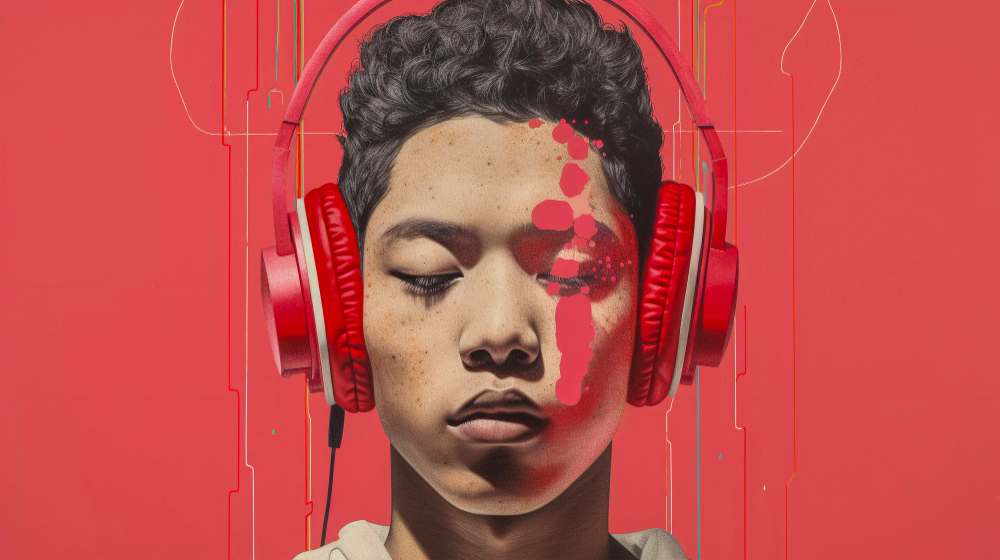
Artificial intelligence is no longer confined to data analysis or industrial automation; it is rapidly stepping into the world of creativity, transforming how music and visual art are conceived and produced. Modern AI systems can now generate entire musical compositions, suggest melodies, and even mimic the emotional nuance of a human composer. At the same time, visual artists are witnessing an explosion of tools that employ machine learning to craft stunning imagery, from abstract digital paintings to photorealistic portraits. These technologies have opened new avenues for experimentation, allowing creators to collaborate with algorithms and push the boundaries of artistic expression. What makes this era particularly fascinating is the evolving relationship between human intention and machine output. Instead of replacing artists, AI often acts as a partner—an assistant capable of sparking inspiration or offering unexpected creative directions. A musician might use an AI to explore harmonic structures they never considered, while a graphic designer might rely on generative models to test new styles and color palettes. Yet, alongside the excitement comes an ongoing debate about authorship, originality, and the authenticity of art created with the help of machines. Is creativity still a uniquely human endeavor when algorithms participate so actively in the process? As AI continues to learn from vast datasets of human-made works, the line between imitation and innovation grows increasingly faint. The future of creativity may not lie in choosing between human and machine but in finding harmony between the two—a partnership that redefines what it means to create in the digital age.
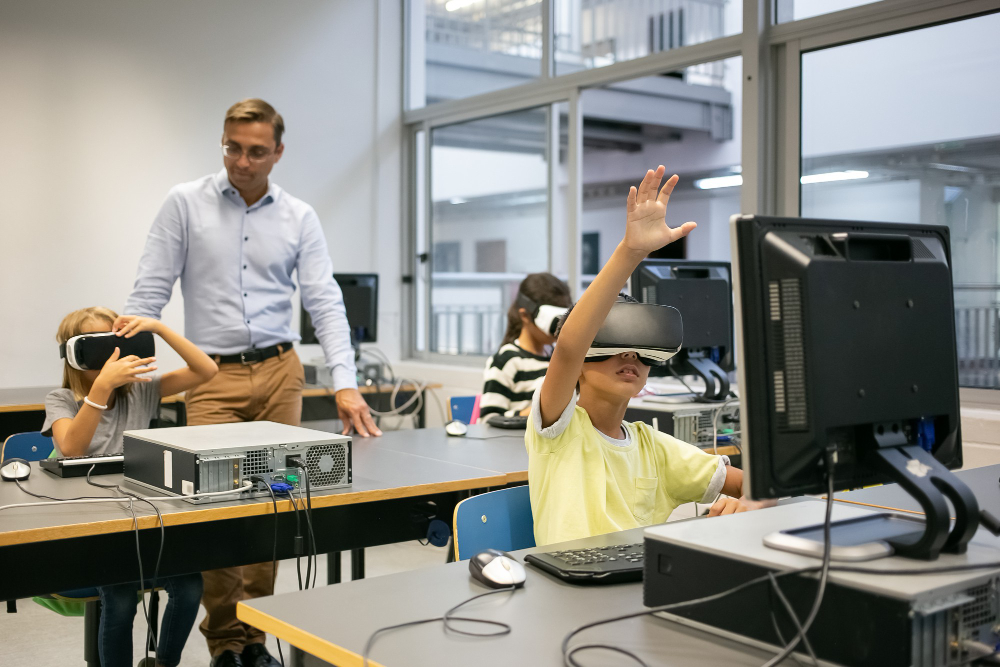
Artificial intelligence is rapidly transforming how people learn, teach, and interact in educational settings. No longer confined to futuristic predictions, AI has become a practical tool that redefines traditional classroom structures and introduces new methods of personalized learning. Algorithms can now analyze a student’s progress in real time, identifying areas of strength and weakness with remarkable accuracy. This allows educators to offer tailored support and helps students move at a pace suited to their individual capabilities, rather than adhering to a uniform curriculum. Beyond efficiency, AI fosters accessibility; language translation tools, speech recognition, and adaptive interfaces open doors for students with varied learning needs and backgrounds. Teachers, likewise, benefit from AI-assisted systems that simplify grading, track participation, and streamline administrative tasks, freeing more time for them to focus on creative engagement and mentorship. However, the integration of AI into education is not without its challenges. Concerns about data privacy, algorithmic bias, and the diminishing human connection in learning must be thoughtfully addressed. The key lies in developing a balanced approach where technology enhances rather than replaces human empathy and insight. As schools and universities continue to adopt AI-driven solutions, the future of education may depend on how responsibly and creatively these tools are used to promote equity, critical thinking, and lifelong curiosity. In embracing AI, education finds both opportunity and responsibility—a chance to reinvent learning for a new generation.
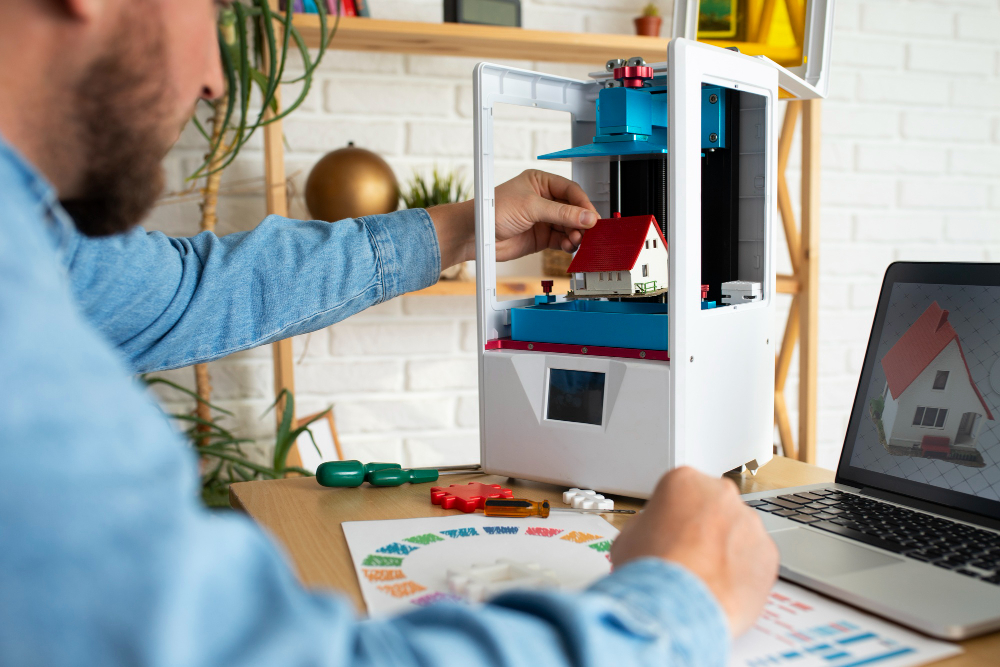
In recent years, the power of generative AI has grown far beyond novelty tools and creative experiments—it has become a new medium for personal expression. Whether you’re a designer, writer, musician, or simply someone curious about technology, learning how to create personalized projects with generative AI can help you unlock an entirely new kind of creativity. At its core, personalization is what turns machine-generated outputs into meaningful experiences. By feeding the right data, shaping the prompts carefully, and guiding the tone or aesthetic you want to achieve, you transform the AI from a random generator into a creative collaborator. The process begins with defining your intent—understanding what you want your project to represent and who it’s for. From there, the magic lies in iteration. Each version reveals something new, and by refining parameters, training on unique datasets, or mixing different models, you can craft results that reflect your own ideas and style. Imagine designing custom stationery that captures your personality, composing AI-assisted music that matches your mood, or generating visual art that evokes the places and memories that matter most to you. Personalization through AI is not about automation for convenience; it’s about deepening creative control through experimentation. As tools become more accessible and intuitive, the boundaries between technology and human imagination continue to blur, making generative AI one of the most exciting ways to create highly individual, emotionally resonant projects.

In today’s fast-paced digital workplace, artificial intelligence has quietly become one of the most effective allies for professionals looking to work smarter, not harder. Whether it’s automating tedious administrative tasks, helping craft sharp and engaging content, or streamlining complex data analysis, AI tools are transforming how we manage our daily workflows. Gone are the days when productivity meant putting in longer hours—today, efficiency means using the right technologies to handle repetitive processes while freeing up time for creativity and strategic thinking. The excitement around emerging AI-driven platforms is more than just a passing trend; it’s a signal that the modern workplace is evolving toward more intelligent, personalized, and data-supported systems. The top five AI tools highlighted in this article were selected not only for their innovation but also for their tangible impact on employees’ day-to-day output. From virtual assistants that schedule and organize meetings in seconds to content generators that refine writing and communication, these tools help teams stay focused and consistent. They also simplify collaboration by integrating seamlessly with existing software, reducing the friction that often slows projects down. Regardless of industry or role, understanding which AI tools can genuinely enhance productivity has become essential for anyone striving to stay ahead in a competitive environment. This article explores how each tool delivers measurable results and why adopting them could be the key to unlocking higher efficiency and smarter workflows across any organization.